Best Vacuum Cleaners of 2026 - Complete Buying Guide
Robot vacuum, stick vacuum or traditional? In this buying guide, we compare all types of vacuum cleaners, discuss suction power and filters, and help you choose the best vacuum for your situation.
Top producten vergelijken

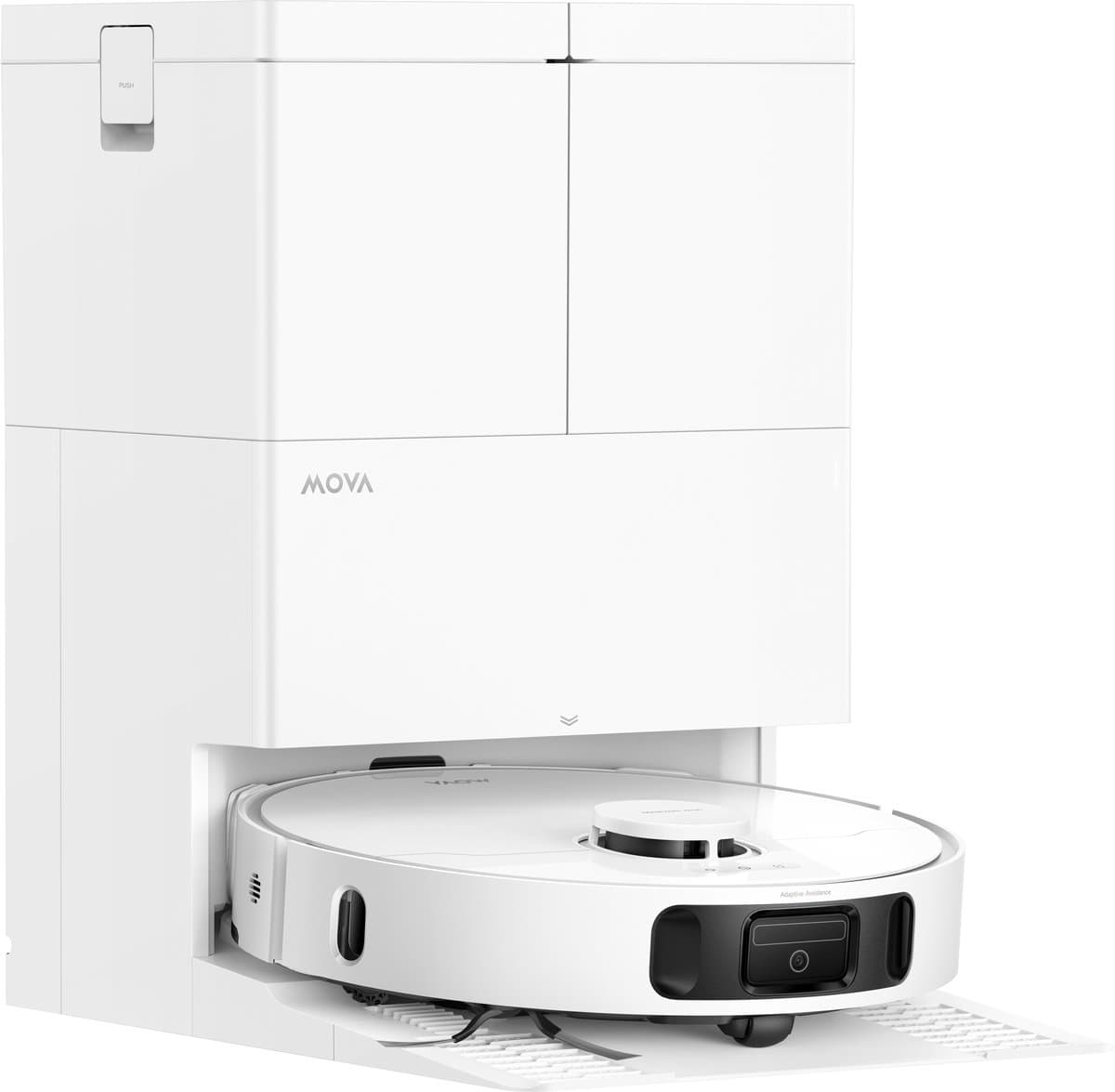
Mova E50 Ultra Robotstofzuiger Wit - Dweilfunctie - Automatisch legen & bijvullen - 30.000 Pa zuigkracht - Grote woning - Tapijt - Parket - Harde vloeren - Huisdierenhaar - Zelfreinigend station - Randreiniging - Grote watertank - Hardnekkig vuil

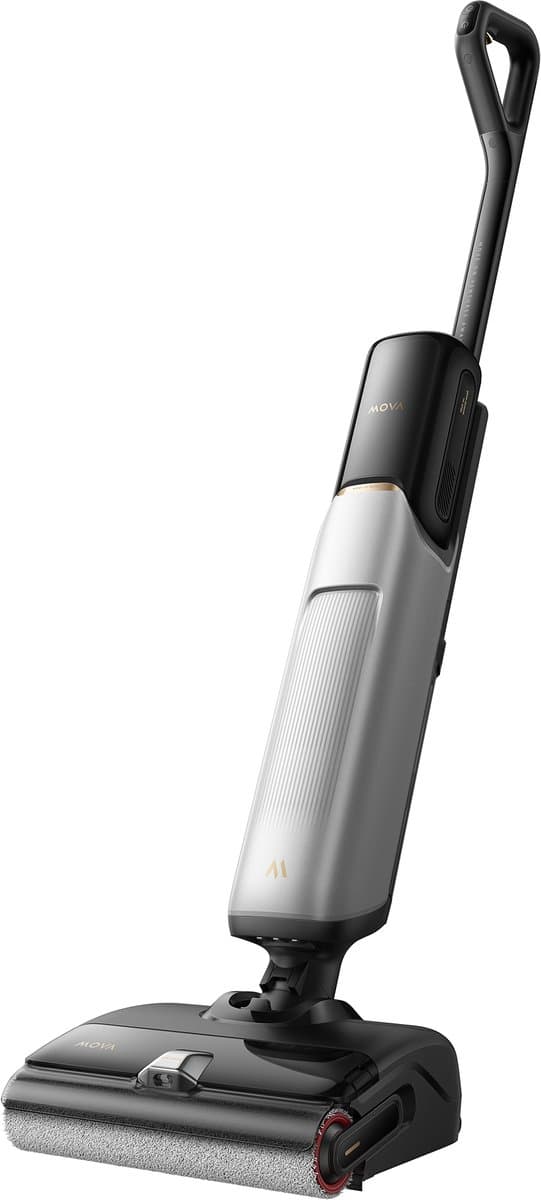
MOVA X4 Pro - Draadloze Steelstofzuiger met Dweil - 20.000 Pa Zuigkracht - 80 °C Dweilfunctie - 100 °C Borstelreiniging - Automatisch Drogen - 45 min Looptijd
eufy S1 Pro Complete
Robot vacuum, stick vacuum or traditional? In this buying guide, we compare all types of vacuum cleaners, discuss suction power and filters, and help you choose the best vacuum for your situation.
Choosing the best vacuum cleaner in 2026
Vacuuming is one of those household chores nobody enjoys, but that still needs to be done. The right vacuum cleaner makes the difference between a frustrating task and something that's done quickly and effectively — or even fully automatically.
The vacuum cleaner market has changed considerably in recent years. Robot vacuums are getting smarter, cordless stick vacuums increasingly powerful and the traditional canister vacuum is still the champion when it comes to suction power. In this buying guide, we help you make the right choice. Also check out all stofzuigers on Productvraag to compare prices at a glance.
Robot vacuum vs stick vacuum vs canister vacuum
Robot vacuum
A robot vacuum does the work for you. You set a schedule and the robot vacuums your floors daily while you're at work or relaxing on the sofa. Modern robot vacuums navigate with LIDAR or cameras, avoid obstacles and empty themselves into a base station.
Advantages:
- Fully automatic, clean floors daily without any effort
- Ideal for maintaining your home between thorough cleaning sessions
- Many models combine vacuuming and mopping
Disadvantages:
- Less suction power than a stick or canister vacuum
- Struggles with high thresholds, thick carpets and stairs
- More expensive models needed for good performance
Top recommendation: The Roborock S8 MaxV Ultra is currently the best all-round robot vacuum. Powerful suction, smart obstacle avoidance and a comprehensive base station that empties, mops and washes the mop pad. A more affordable alternative is the Dreame L20 Ultra.
Stick vacuum (cordless)
Cordless stick vacuums have improved enormously in recent years. They are light, manoeuvrable and always ready for use. No fiddling with cords and sockets. Ideal as a main vacuum in smaller homes or as a quick supplement to a robot vacuum.
Advantages:
- No cord, maximum freedom of movement
- Light and easy to take to other floors
- Quick to grab for small jobs
Disadvantages:
- Limited battery life (15-60 minutes depending on setting)
- Less suction power on the highest setting than a canister vacuum
- Smaller dust bin, needs emptying more often
Top recommendation: The Dyson V15 Detect delivers impressive suction power with a smart laser sensor that makes dust visible. For a smaller budget, the Philips SpeedPro Max Aqua Plus is an excellent choice that can also mop.
Canister vacuum (traditional)
The classic canister vacuum with cord and hose still offers the best suction power and the largest dust capacity. Ideal for larger homes and for those who want the most thorough clean.
Advantages:
- Strongest suction power, including on carpet
- Unlimited runtime (no battery)
- Large dust bag or bin, less frequent emptying
Disadvantages:
- Cord limits reach, constantly switching to another socket
- Larger and heavier, less convenient on stairs
- Takes up more storage space
Top recommendation: The Miele Complete C3 Excellence has been the benchmark for years: whisper-quiet, powerful and with a HEPA filter, ideal for allergy sufferers. A budget-friendly alternative is the Philips Performer Silent.
Suction power and filtration: technical specs explained
Suction power
Suction power is expressed in watts (W) or air watts (AW). Higher values mean more power, but they don't tell the whole story. The combination of motor, nozzle and airflow design determines the end result. So also look at independent test results.
- Robot vacuums: 2,000 - 11,000 Pa (Pascal). For good performance, at least 5,000 Pa.
- Stick vacuums: 100 - 230 AW. Above 150 AW, performance is comparable to a canister vacuum on lower settings.
- Canister vacuums: 200 - 400 AW. The undisputed champions of suction power.
Filters and allergies
If you suffer from allergies or asthma, a good filter system is essential:
- HEPA 13 or 14: Captures 99.95% to 99.995% of fine dust particles. Recommended for allergy sufferers.
- Sealed filter system: Prevents dust from escaping through gaps. The Miele Complete C3 Excellence has a fully sealed system.
- Dust bag vs bagless: Bagged models are more hygienic when emptying. With bagless models, you come into more contact with the dust.
Our recommendations by budget
Budget (up to 250 euros)
Solid vacuum cleaners for everyday use. You'll miss luxury features, but the basic performance is good.
| Model | Type | Key feature | Guide price |
|---|---|---|---|
| Philips Performer Silent | Canister | Very quiet, HEPA 13 | ~199 euros |
| Xiaomi Vacuum Cleaner G11 | Stick | Great value for money | ~179 euros |
| Dreame D10 Plus | Robot | Auto-emptying | ~229 euros |
Mid-range (250 - 600 euros)
The sweet spot with powerful performance and smart features. This is where you'll find the best value for money.
| Model | Type | Key feature | Guide price |
|---|---|---|---|
| Dyson V15 Detect | Stick | Laser, powerful | ~549 euros |
| Philips SpeedPro Max Aqua Plus | Stick | Vacuums and mops | ~399 euros |
| Miele Complete C3 Excellence | Canister | HEPA 14, quiet | ~449 euros |
| Dreame L20 Ultra | Robot | Vacuums and mops, self-emptying | ~549 euros |
Premium (from 600 euros)
Top-of-the-line models with the best technology. Fully automatic or unrivalled performance.
| Model | Type | Key feature | Guide price |
|---|---|---|---|
| Roborock S8 MaxV Ultra | Robot | All-in-one station | ~899 euros |
| Dyson Gen5detect | Stick | Most powerful cordless | ~749 euros |
| iRobot Roomba Combo j9+ | Robot | Vacuums and mops automatically | ~799 euros |
Buying a vacuum cleaner: practical tips
- Home size: For apartments up to 80 m2, a stick vacuum or robot will do just fine. For larger homes with multiple floors, a combination of robot (ground floor) and stick vacuum (upper floors) is ideal.
- Pets: Do you have cats or dogs? Choose a model with a special pet hair nozzle and a powerful motor. Robot vacuums with rubber brushes get clogged with hair less quickly.
- Noise level: Especially important if you want to vacuum in the evening or if the robot vacuum runs while you work from home. Look for models under 70 dB.
- Maintenance: Bagless models save on dust bags but require regular filter cleaning. Bagged models are more hygienic but come with ongoing costs.
Frequently asked questions
Can a robot vacuum fully replace my regular vacuum cleaner?
In most cases, not entirely. Robot vacuums are fantastic for keeping your home tidy on a daily basis, but they lack the suction power for deep carpet cleaning and can't reach all corners and stairs. The ideal combination is a robot vacuum for daily upkeep supplemented by a stick or canister vacuum for a thorough weekly clean.
How long does the battery of a cordless stick vacuum last?
Most cordless vacuums offer 20 to 60 minutes of use on the normal setting. On turbo mode, this can drop to 8 to 15 minutes. After 2 to 3 years of use, the battery capacity decreases. With brands like Dyson, you can replace the battery yourself, which significantly extends the lifespan.
Is a bagged vacuum cleaner better than a bagless one?
Both systems have their pros and cons. Bagged models are more hygienic (you don't touch the dust when changing the bag) and maintain their suction power better. Bagless models save on the ongoing cost of dust bags and you can immediately see how much you've picked up. For allergy sufferers, we recommend a bagged model with a HEPA filter.
Check out all stofzuigers on Productvraag and find the best price for your ideal vacuum cleaner.
Meer producten vergelijken


Got a question? Just ask.
We'll email you back within 24 hours. No sales pitch.