Best Mesh WiFi System 2026: Top 5 Compared + EU Prices
The five best mesh wifi systems of 2026 compared on coverage, speed and price. For large homes, multiple floors and WiFi dead zones.
Top producten vergelijken

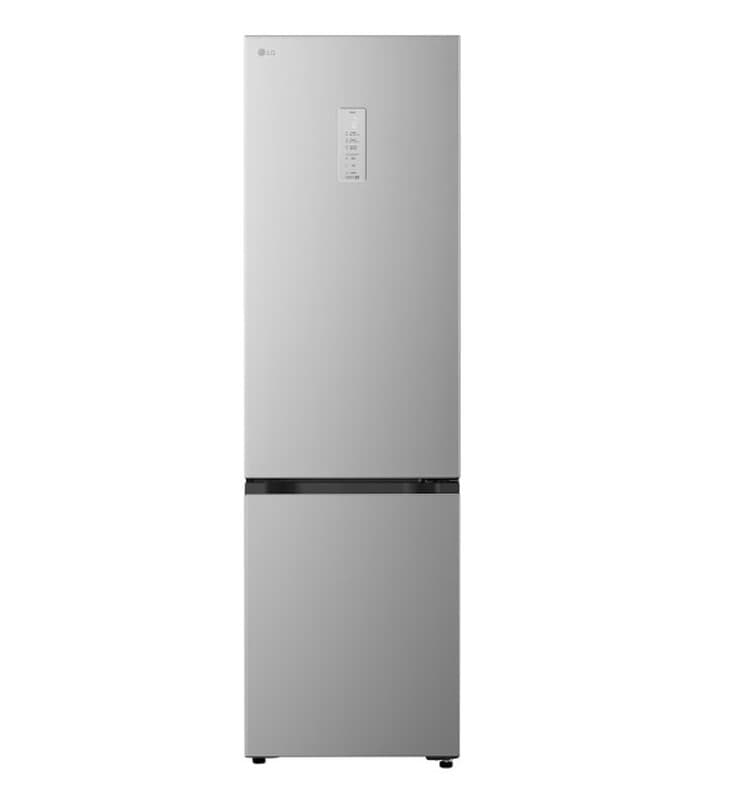
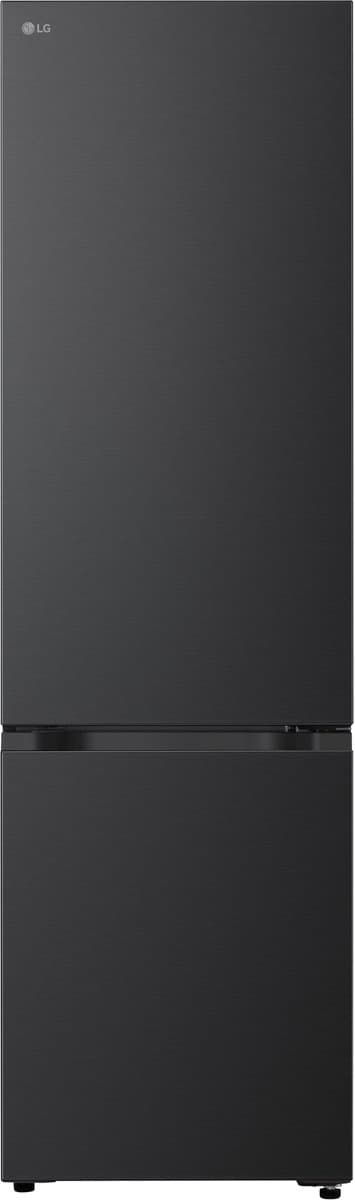
LG GBBS525CPY Koel-vriescombinatie 375L - Zilver - Energieklasse C - DoorCooling voor gelijkmatige koeling - Fresh Balancer voor optimale versheid - Stille Smart Inverter Compressor - AI functies zonder wifi - ThinQ wifi bediening

LG GBBS726CEV Koel-vriescombinatie 375L - Zwart - Energieklasse C - DoorCooling voor gelijkmatige koeling - Fresh Balancer voor optimale versheid - Stille Smart Inverter Compressor en ThinQ wifi bediening

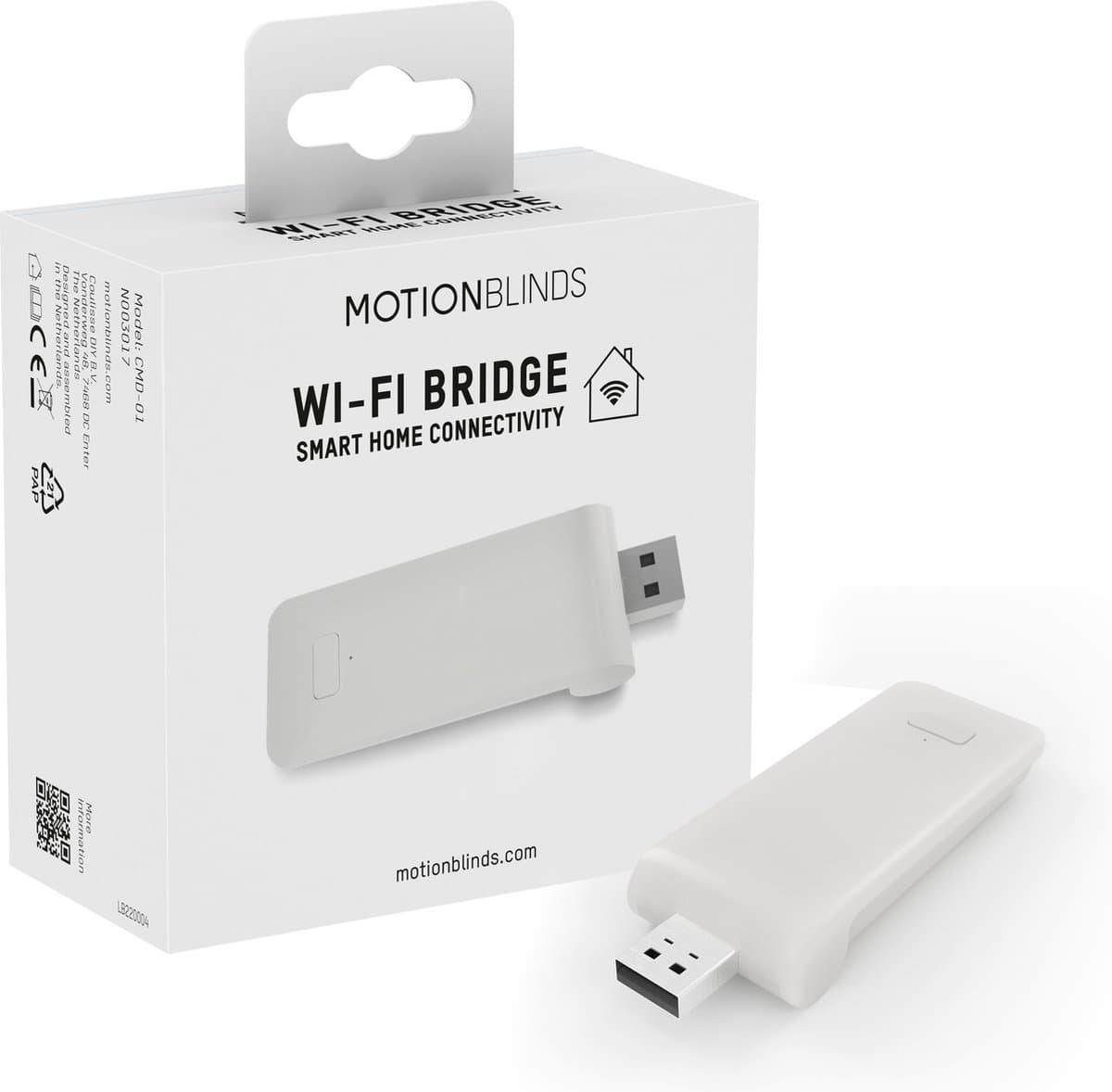
MotionBlinds WiFi Bridge
The five best mesh wifi systems of 2026 compared on coverage, speed and price. For large homes, multiple floors and WiFi dead zones.
A single router typically covers 80-120 m² well. For larger homes, old walls or multi-storey layouts a mesh wifi system (two or more nodes) is the answer: one SSID, seamless roaming, one app. WiFi 7 mesh systems matured in 2026 — we compare five available in the Netherlands via Coolblue, Bol and MediaMarkt.
How we compare
Ranking based on throughput data from SmallNetBuilder and Dong Knows Tech plus AnandTech. Criteria: coverage per node (m² range), backhaul type (dedicated vs shared band), MLO support, ethernet backhaul option, 2 vs 3-pack pricing.
Netgear Orbi 970 — Best overall (€1,500-€1,800 for 3-pack)
TL;DR: Tri-band WiFi 7 with dedicated 6GHz backhaul (10Gbps theoretical between nodes), 10G WAN, coverage 250-300 m² per node range. For 200+ m² homes the top pick.
For whom: large detached homes, thick walls, 50+ smart-home devices.
Standouts: Quad-Core 2GHz processor, four 2.5G LAN + one 10G WAN per node. Netgear Armor security built in (Bitdefender). SmallNetBuilder calls it "the current king of mesh throughput".
Downsides: expensive entry (€1,500+ for 3-pack), Smart Parental Controls needs subscription after trial (€60-€100 yearly range).
TP-Link Deco BE85 — Best price/specs (€900-€1,200 for 3-pack)
TL;DR: Tri-band WiFi 7 BE22000, 10G WAN + 10G LAN per node, coverage 200-250 m² per node range. €600-€900 below Orbi 970 with comparable WiFi 7 specs.
For whom: large home with €1,000-€1,200 mesh budget. Fibre subscribers 2.5-10Gbps.
Standouts: Deco app is excellent (setup in 5 min range), HomeShield basic security free, EasyMesh-compatible for expansion.
Downsides: backhaul band shared with clients under heavy load (Orbi has dedicated), USB ports missing.
eero Max 7 — Best smart home + Alexa (€1,300-€1,600 for 3-pack)
TL;DR: Amazon's premium mesh, tri-band WiFi 7 BE21000, built-in Thread + Zigbee + Matter hub. Logical pick for Alexa households.
For whom: existing Alexa users, Matter smart-home setups, buyers who don't want a separate hub.
Standouts: 10G WAN + 10G LAN, eero TrueMesh routing is intelligent. eero Plus subscription adds VPN + security (€100 yearly range).
Downsides: app-only management (no web UI), eero Plus essentially required for security so add €100/yr.
ASUS ZenWiFi BT10 — Best flexible + AiMesh (€800-€1,000 for 2-pack)
TL;DR: Tri-band WiFi 7 mesh, integrates with existing ASUS routers via AiMesh — flexible expansion. 2-pack covers 200-250 m² range.
For whom: buyers who already own an ASUS router and want to expand, or want mesh + standalone router combo.
Standouts: AiProtection lifetime free (no subscription), built-in VPN server, USB 3.2 for network storage. 2.5G WAN, 2.5G LAN.
Downsides: WAN is 2.5G (no 10G), app less polished than Deco/eero — more settings but overwhelming for beginners.
TP-Link Deco BE25 — Best budget WiFi 7 mesh (€400-€500 for 3-pack)
TL;DR: Dual-band WiFi 7 BE5000, 2.5G WAN/LAN, coverage 150-200 m² per node range. Entry-level WiFi 7 mesh — unthinkable two years ago at €450.
For whom: 100-180 m² home, 1Gbps fibre, first mesh purchase.
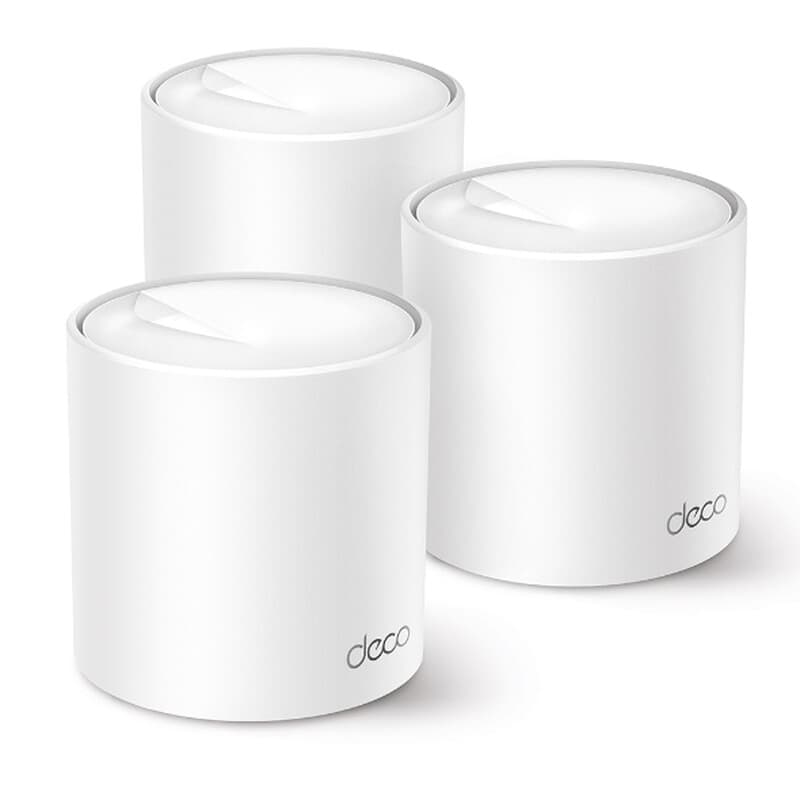
Standouts: Deco app, EasyMesh-compatible, MLO across 5+6GHz, HomeShield basic free. Sleek puck design.
Downsides: dual-band so backhaul shares with client traffic (sub-optimal under load), no 10G ports.
Comparison table
| Model | WiFi standard | Bands | WAN port | Dedicated backhaul | From price |
|---|---|---|---|---|---|
| Netgear Orbi 970 (3-pack) | WiFi 7 | Tri | 10G | Yes (6GHz) | €1,500 |
| TP-Link Deco BE85 (3-pack) | WiFi 7 | Tri | 10G | Shared | €900 |
| eero Max 7 (3-pack) | WiFi 7 | Tri | 10G | Shared | €1,300 |
| ASUS ZenWiFi BT10 (2-pack) | WiFi 7 | Tri | 2.5G | Shared (AiMesh) | €800 |
| TP-Link Deco BE25 (3-pack) | WiFi 7 | Dual | 2.5G | No | €400 |
How to pick a mesh system
Measure your home first: under 120 m² consider a single router (see our WiFi 7 router guide). 120-200 m²: 2-pack mesh (ZenWiFi BT10, Deco BE25). 200-300 m²: 3-pack mesh (Deco BE85, eero Max 7). 300+ m² with thick walls: Orbi 970. For 1Gbps fibre: budget mesh is enough. For 2.5-10Gbps: choose a 10G WAN model.
Backhaul: dedicated vs shared
Dedicated backhaul means a reserved band (often 6GHz) for inter-node traffic. Benefit: client traffic is never throttled by node-to-node communication. Netgear Orbi 970 is the only one of these five with truly dedicated backhaul. Alternative: ethernet backhaul (CAT 6/6a between nodes) — works on all five and is by far the most stable if you can run cable.
EU warranty and retailers
Coolblue/Bol/MediaMarkt: 2 years EU statutory warranty. Netgear, ASUS, TP-Link and eero give 1-2 years factory warranty. Some TP-Link lines give 3 years — check per model. With mesh you typically replace a single faulty node (€200-€500 range standalone).
FAQ
Mesh versus range extender — what's the difference?
A range extender repeats your router's signal on a second SSID — devices must switch manually. Mesh works as one seamless network with automatic roaming. Mesh is technically faster AND easier.
How many mesh nodes do I need?
Rule of thumb: one node per 80-120 m² + one per storey. 100 m² single floor = 1 router. 150 m² + 1 floor = 2-pack. 250+ m² or thick walls = 3-pack.
Does mesh work wirelessly without ethernet cables?
Yes, all five work fully wireless (WiFi backhaul). Ethernet backhaul is optional but most stable — recommended at 10Gbps internet.
Can I use mesh with my fibre modem?
Yes, plug the first mesh node into the WAN port of your modem (KPN, Ziggo, T-Mobile). Disable WiFi on the modem and mesh takes over.
Which mesh works best with Matter and smart home?
eero Max 7 has built-in Thread + Zigbee + Matter hubs — for smart-home setups the most integrated option. Netgear Orbi 970 has Matter routing but no built-in Zigbee hub.
Also read
Productvraag earns affiliate commission on purchases via our links. This does not affect our ranking. Prices indicative; check live at the store. Last updated: 2026-06-01.
Meer producten vergelijken

Got a question? Just ask.
We'll email you back within 24 hours. No sales pitch.