Best Camera Smartphone 2026: Top 5 Phones for Photography
Which smartphone takes the best photos in 2026? We compare sensor size, OIS, night mode and zoom of the five best camera phones.
The best camera smartphone of 2026 is the Samsung Galaxy S26 Ultra (€1,299-€1,399): a 200MP main sensor, 5x periscope zoom and improved AI photography make it the most versatile all-rounder with the strongest zoom in this comparison. For the strongest computational photography and night mode, the Google Pixel 10 Pro (€1,099) is the pick. Primarily a videographer? The iPhone 17 Pro Max (€1,449-€1,549) wins with ProRes recording and Cinematic Mode. Camera quality comes down to four factors: sensor size, optical image stabilisation (OIS), night mode, and zoom capability — not raw megapixel count. Below you'll find the five best camera phones of 2026, a comparison table on the criteria that matter, and answers to the most common questions.
Best Camera Smartphone 2026: The Ultimate Comparison
Smartphone photography has improved enormously in recent years. But with so many devices claiming to have the best camera, it's hard to see through the marketing claims. Which smartphone truly takes the best photos? For standalone cameras, see our best camera 2026 buying guide.
In this article, we compare the five best camera smartphones of 2026 on the aspects that truly matter: sensor size, optical image stabilisation, night photography and zoom capability. Also check out our electronics buying guide for a broader overview.
Which Camera Specifications Matter?
Before we compare the devices, it's useful to understand what the specifications actually mean for your photos.
Sensor size
Sensor size is perhaps the most important specification — more important than megapixel count. A larger sensor captures more light, resulting in better low-light photos and more natural background blur (bokeh). The Samsung Galaxy S26 Ultra has a 1/1.3" sensor, while the Google Pixel 10 Pro uses a 1/1.31" sensor.
Optical Image Stabilisation (OIS)
OIS compensates for hand tremors, allowing you to take sharper photos at longer exposure times. In 2026, OIS is standard on the main camera of all top devices. Some models, like the iPhone and Samsung, also offer sensor-shift stabilisation, which is even more effective.
Night mode
Night mode combines multiple exposures into one bright photo. Quality varies enormously between brands. Google has been known for years for the best night photography thanks to advanced computational photography. Samsung and Apple have significantly closed the gap, however.
Zoom
There are two types of zoom: optical zoom (without quality loss) and digital zoom (with quality loss). The Samsung Galaxy S26 Ultra offers up to 5x optical zoom with a periscope lens, while other devices make do with 3x. Everything above optical zoom is digital and delivers noticeably less sharpness.
Video capabilities
Besides photos, video recording is becoming increasingly important. Pay attention to maximum resolution, frame rate and stabilisation. 4K at 60fps is the standard in 2026, but some devices go up to 8K.
Top 5 Camera Smartphones of 2026
Samsung Galaxy S26 Ultra — Best all-rounder & zoom (€1,299-€1,399)
The Samsung Galaxy S26 Ultra is a versatile all-rounder. With a 200MP main sensor, improved AI photography and up to 100x Space Zoom, you have a solution for every situation. Night mode has improved spectacularly thanks to new AI algorithms. Video capabilities are equally excellent with 8K recording and improved stabilisation.
Our verdict: Choose the Galaxy S26 Ultra for maximum versatility and the strongest zoom in this comparison.
Apple iPhone 17 Pro Max — Best for video (€1,449-€1,549)
Apple takes a different approach: fewer megapixels, but unmatched image processing. The Photonic Engine and new camera computation system deliver the most consistent colours and exposures. For videographers, this is still the best choice, thanks to ProRes recording and Cinematic Mode in 4K.
Our verdict: The iPhone 17 Pro Max is the go-to choice for videographers and users who want consistent, stress-free results.
Google Pixel 10 Pro — Best night mode (€1,099)
Google remains the benchmark for computational photography. The Pixel 10 Pro, with its 50MP main sensor, takes photos that look great on screen. Magic Eraser and Best Take are handy AI features for quickly editing photos. Night mode is among the strongest in this segment thanks to Google's computational photography.
Our verdict: For anyone looking for the strongest computational photography and night mode.
Xiaomi 16 Ultra — Largest sensor (€1,249-€1,349)
Xiaomi impresses with the 16 Ultra, developed in collaboration with Leica. The result is a camera that delivers fantastic colours and contrast. The 1-inch type sensor is the largest in a smartphone and captures an enormous amount of light. Ideal for enthusiasts who prioritise photographic quality above all else.
Our verdict: Choose the Xiaomi 16 Ultra for maximum light capture and Leica colour accuracy.
OnePlus 14 Pro — Best value for money (€999)
OnePlus makes a strong impression with the Hasselblad camera collaboration. Colour reproduction is natural and warm, and the 3x telephoto delivers good portrait photos. The price-to-quality ratio is the strongest point: you get near-flagship camera quality at a lower price (~€999).
Our verdict: The OnePlus 14 Pro is the smartest choice for anyone who wants near-flagship camera quality without paying the flagship price.
Comparison Table
| Specification | Samsung Galaxy S26 Ultra | iPhone 17 Pro Max | Google Pixel 10 Pro | Xiaomi 16 Ultra | OnePlus 14 Pro |
|---|---|---|---|---|---|
| Main camera | 200 MP | 48 MP | 50 MP | 50 MP (1-inch) | 50 MP |
| Sensor size | 1/1.3" | 1/1.28" | 1/1.31" | 1/0.98" | 1/1.4" |
| OIS | Sensor-shift | Sensor-shift | OIS | OIS | OIS |
| Optical zoom | 5x periscope | 5x tetraprism | 5x periscope | 5x periscope | 3x telephoto |
| Night mode | Excellent | Very good | Excellent | Excellent | Good |
| Max video | 8K/30fps | 4K/120fps ProRes | 8K/30fps | 8K/24fps | 4K/120fps |
| AI features | Galaxy AI photo | Photonic Engine | Magic Eraser, Best Take | Leica colours | Hasselblad profile |
| Price (approx.) | €1,399 | €1,499 | €1,099 | €1,299 | €999 |
Which Camera Phone Suits You?
The choice depends on what matters most to you:
- Versatility and zoom: Samsung Galaxy S26 Ultra — the best all-rounder with the strongest zoom in this comparison.
- Video and consistency: iPhone 17 Pro Max — the choice for videographers and those who want reliable colours.
- Computational photography: Google Pixel 10 Pro — the smartest camera with the best night mode.
- Maximum light capture: Xiaomi 16 Ultra — the largest sensor for the best image quality.
- Value for money: OnePlus 14 Pro — near-flagship quality at a lower price.
Browse all models and compare prices in our smartphones category. For a complete overview of all smartphones, see the smartphone buying guide.
Frequently Asked Questions
Are more megapixels always better?
No, definitely not. Sensor size and image processing are far more important than megapixel count. A 50MP camera with a large sensor and good software takes better photos than a 200MP camera with a small sensor. Megapixels do determine how much you can zoom in or crop without quality loss.
Can a smartphone truly replace a professional camera?
For most situations: yes. Smartphone cameras perform excellently in daylight, portraits and video. Where professional cameras still win is in sports photography (fast autofocus), extreme low-light situations and when you want creative control over depth of field with interchangeable lenses.
How important is night mode really?
Very important if you regularly take photos in low light — think restaurants, concerts or evening walks. Night mode quality varies enormously between brands. Google and Samsung are the strongest here. Without night mode, low-light photos are often blurry, dark or full of image noise.
Back to the electronics buying guide for more categories.
Producten uit dit artikel

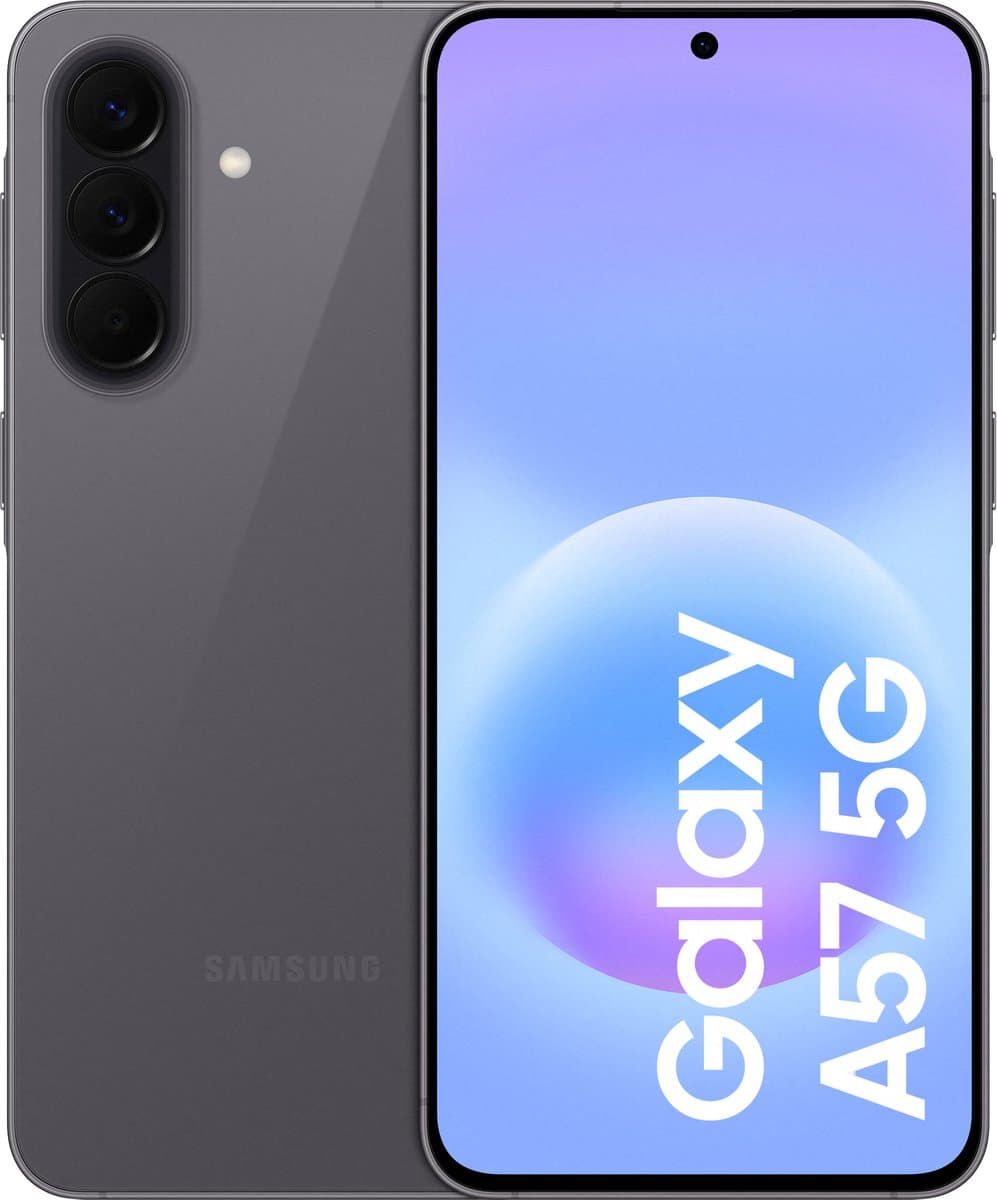
Samsung Galaxy A57 5G - 256GB - Grijs

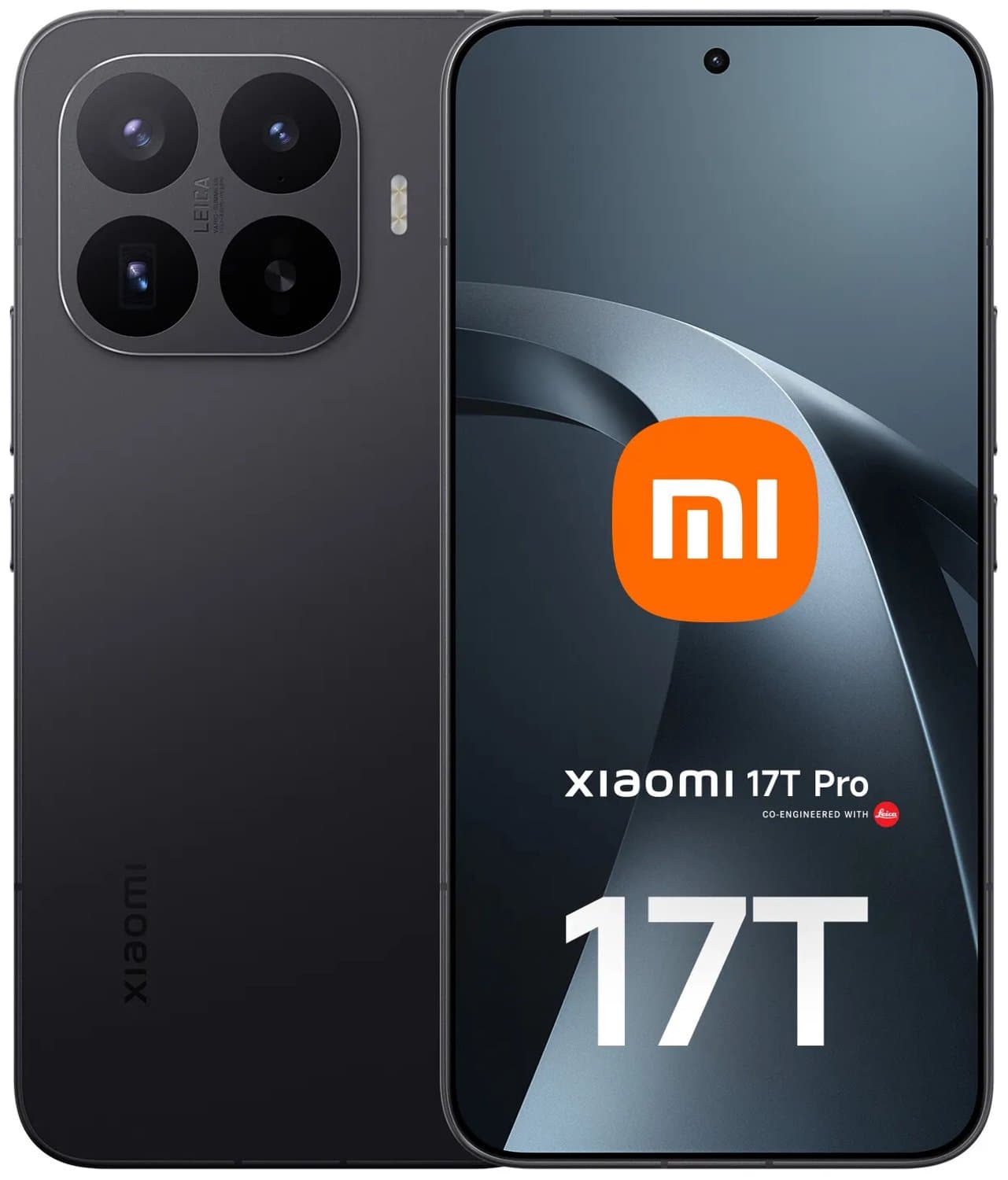
Xiaomi 17T Pro Zwart 12GB RAM 512GB ROM
OPPO Reno16 Pro 5G 12+512 GB Starlight Zwart

OPPO Find X9 Ultra CPH2841 12+512GB Canyon Orange

iPhone 17 Pro Max 512GB

Xiaomi 17T Paars 12GB RAM 256GB ROM
Got a question? Just ask.
We'll email you back within 24 hours. No sales pitch.