Best budget smartphones 2026: the 8 best phones under €300
The best budget smartphones of 2026 under €300 at a glance: eight current picks from around €150 to €289, with a comparison table and a note on why each model is worth the money.
Our top pick
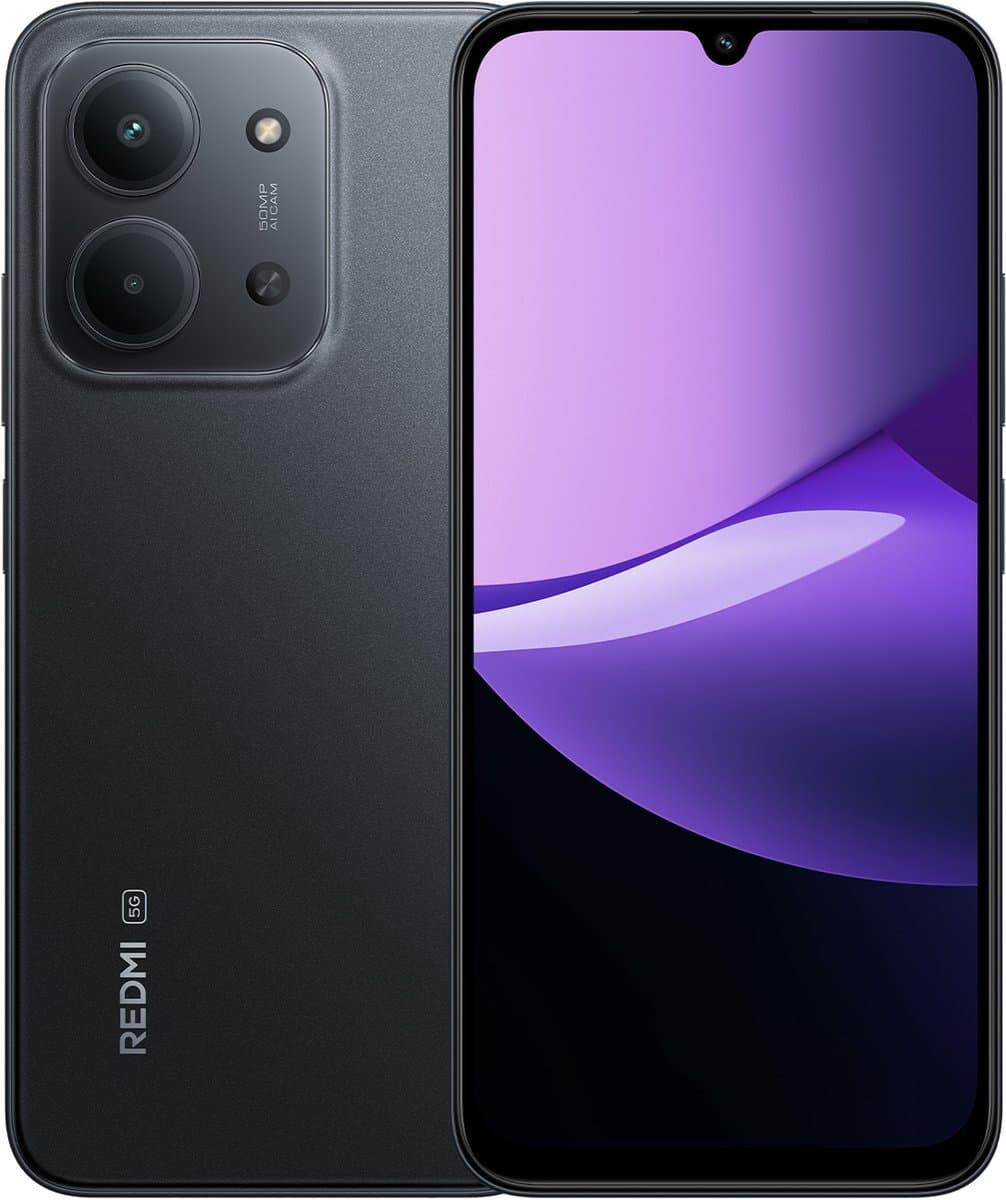
Xiaomi Redmi 15C - 5G - 4GB/128GB - Zwart
cheapest 5G entry point
From
€ 159,00
at bol
Best budget smartphones 2026: the best phones under €300
For a maximum of €300, in 2026 you can buy a smartphone that does almost everything well. The most complete choice under that limit is still the Xiaomi Redmi Note 15 Pro 5G (around €289); if you want to spend less, the Samsung Galaxy A16 or the surprisingly keenly priced POCO M7 Pro already serve you well from around €150. The €300 limit is a deliberate one: above it you mainly pay for camera extras and more premium materials, below it you get all the essentials. When choosing, focus on software support, screen quality, battery life and storage — not the number of megapixels. All prices below are the lowest prices in our price overview at the end of August 2026; our verdicts are based on manufacturer specifications and pooled user reviews.
Best phones under €300
Eight handsets, in ascending order of price from around €150 to €289, so you can see exactly what each extra tenner buys you within the €300 budget.
| Model | Storage | 5G | Display | Price |
|---|---|---|---|---|
| Samsung Galaxy A16 | 128 GB | No (4G) | 6.7" Full HD | around €150 |
| POCO M7 Pro | 256 GB | Yes | AMOLED | around €150 |
| Xiaomi Redmi 15C 5G | 128 GB | Yes | 6.79" FHD+ 90Hz | around €180 |
| Redmi Note 15 | 256 GB | No (4G) | AMOLED, high refresh rate | around €199 |
| Motorola Moto G67 | 256 GB | Yes | 6.78" 1.5K AMOLED | around €199 |
| Samsung Galaxy A37 5G | 128 GB | Yes | 6.7" Super AMOLED 120Hz | around €259 |
| Nothing Phone (3a) | 128 GB | Yes | 6.77" AMOLED 120Hz | around €262 |
| Redmi Note 15 Pro 5G | 256 GB | Yes | AMOLED, high refresh rate | around €289 |
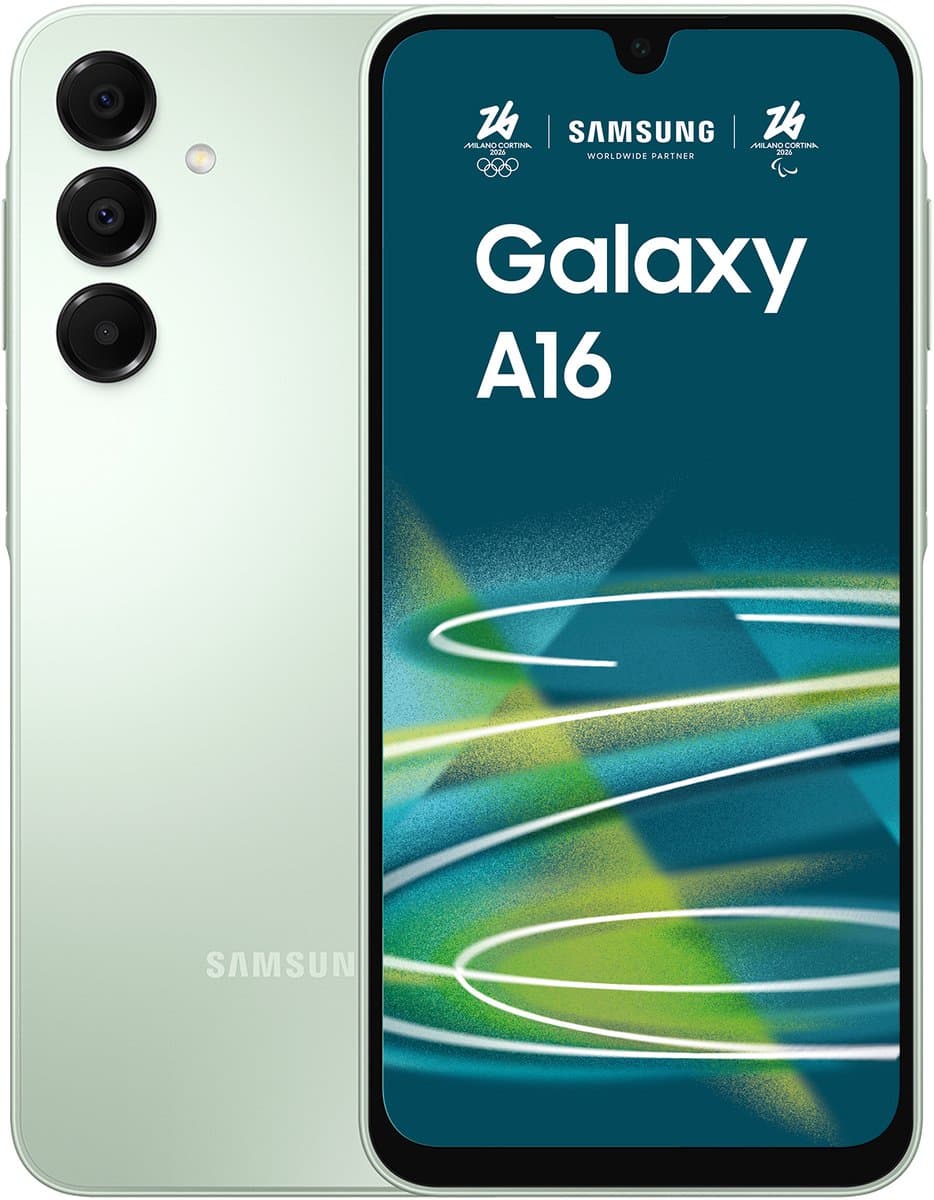
Samsung Galaxy A16 — cheapest solid choice (€125-€185)
The cheapest solid choice in this overview. You get 128 GB of storage, a 6.7-inch Full HD screen, a 5,000 mAh battery that lasts a full day with average use and — rare at this price — the long update promise of Samsung's A series, which keeps the handset safe to use for years. Note: this is the 4G version; for most users in the Netherlands that is no practical drawback. The black version is the cheapest at around €150; other colours sit between €125 and €185. See the Samsung Galaxy A16 128GB.
POCO M7 Pro — price-performance king (€150-€240)
The price-performance king of this list has dropped sharply in price: the purple version now sits at around €150, where it previously cost €225 (other colours up to around €235). For that money you get 8 GB of RAM, 256 GB of storage, an AMOLED screen, a large battery and 5G — a combination where other brands often still leave you with 128 GB and an LCD. See the POCO M7 Pro 256GB.
Xiaomi Redmi 15C 5G — cheapest 5G entry point (€170-€180)
If you want 5G without hitting €200, the Redmi 15C 5G with 4 GB of RAM and 128 GB of storage is the logical entry point. The 6.79-inch FHD+ screen refreshes at 90Hz and the 50 MP main camera is fine for everyday snaps; good for WhatsApp, browsing and streaming, but heavy games are not its thing. See the Xiaomi Redmi 15C 5G.
Compare prices — Xiaomi Redmi 15C - 5G - 4GB/128GB - Zwart
More from Xiaomi · Prices verified: 1 days ago · 1 shop

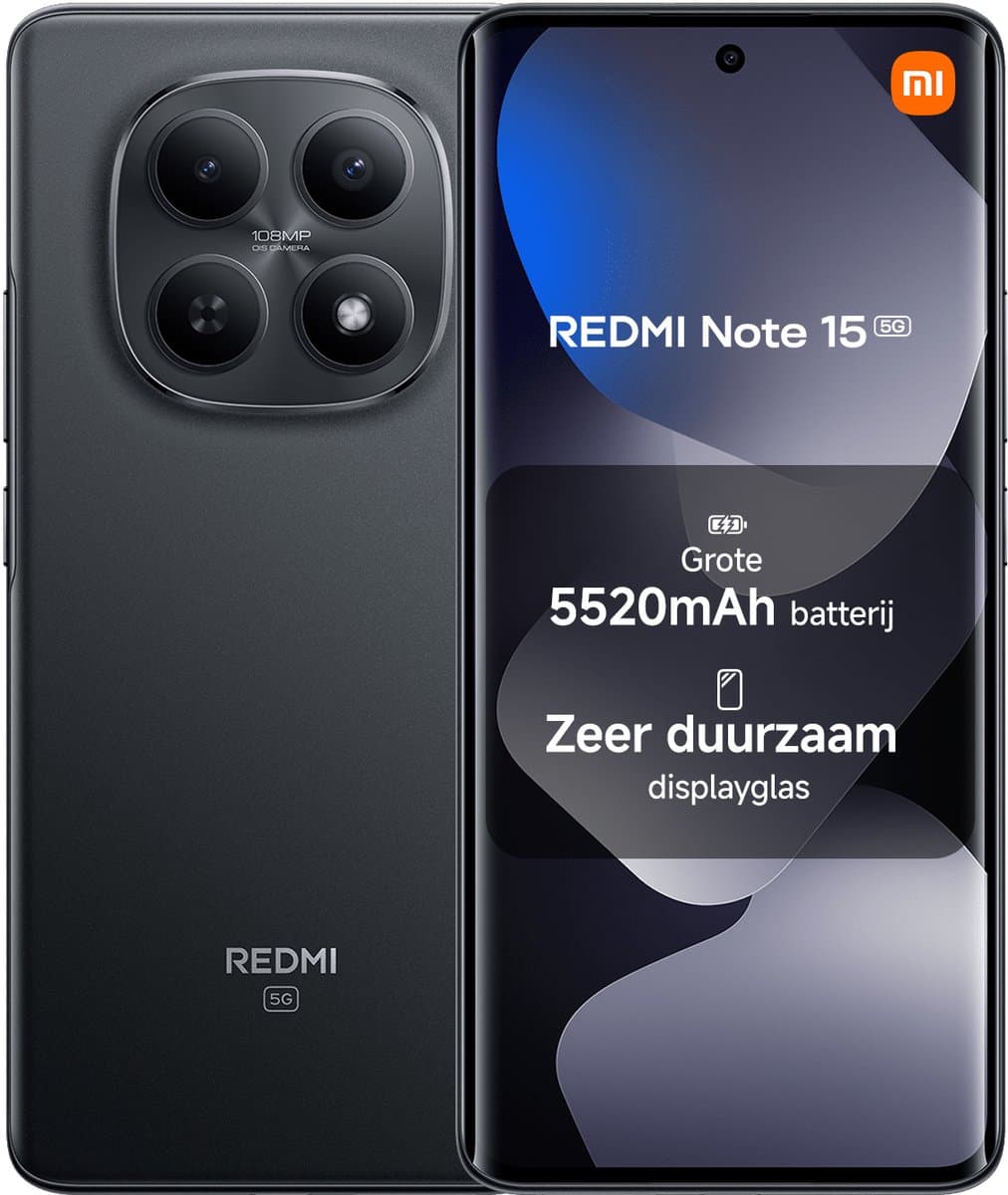
Redmi Note 15 — AMOLED and 256 GB for around €200 (€199-€219)
New to this overview: the Redmi Note 15 without the Pro suffix already gives you 8 GB of RAM, 256 GB of storage and the high-refresh-rate AMOLED screen the Note series is known for, at around €199. You give up 5G compared with the Pro version, but you also save around €90. For anyone who values screen and storage above all, this is the smartest buy around €200. See the Redmi Note 15 8GB/256GB.
Compare prices — Redmi Note 15 - 5G - 6GB/128GB - Zwart
More from Xiaomi · Prices verified: 23 h ago · 2 shops

Motorola Moto G67 — clean Android with 256 GB (€198-€219)
Motorola's strength is its software: a near-stock Android experience without intrusive extra apps. On the G67 that comes with a 6.78-inch 1.5K AMOLED screen, a 50 MP Sony LYTIA camera, a body built to a military drop standard and 5G. With 256 GB of storage for around €199, the Moto G67 is one of the most generously equipped handsets in the mid-range. See the Motorola Moto G67 256GB.
Compare prices — Motorola moto g67 128GB/4GB - Artic Seal
More from Motorola · Prices verified: 1 days ago · 2 shops
Samsung Galaxy A37 5G — safe all-rounder with long updates (€259-€289)
The latest generation of Samsung's most popular budget line. The A37 5G is the safe all-rounder: a 6.7-inch Super AMOLED screen at 120Hz, a 50 MP main camera with optical image stabilisation, an Exynos 1480 with 6 GB of RAM and the same long software support that makes the A series a favourite with anyone planning to use a phone for four years or more. It is also the handset that can be compared across the most shops on our site. See the Samsung Galaxy A37 5G 128GB.
Compare prices — Samsung Galaxy A37 5G - 128GB - Donkergrijs
More from Samsung · Prices verified: 1 days ago · 2 shops
Nothing Phone (3a) — the design pick (€262-€299)
The design pick. The semi-transparent back with Glyph lighting is not available anywhere else, and Nothing OS is among the cleanest and fastest Android versions around right now. The 6.77-inch AMOLED screen reaches 120Hz and a peak brightness of 3,000 nits, and the camera set includes not only a 50 MP main camera with OIS but also a genuine 50 MP telephoto lens with 2x zoom — unique under €300. With 128 GB of storage and 5G, it stays neatly under the limit at around €262. See the Nothing Phone (3a) 128GB.
Compare prices — Nothing Phone 3a Lite 5G 8GB/128GB Zwart (Black) Dual SIM
More from Nothing · Prices verified: 1 days ago · 1 shop
Redmi Note 15 Pro 5G — most complete under €300 (€283-€299)
The most complete phone under €300 in terms of specifications: 8 GB of RAM, 256 GB of storage, 5G and a high-refresh-rate AMOLED screen. The price has risen since our previous update from around €260 to around €289 — still under the limit. See the Redmi Note 15 Pro 5G 8GB/256GB.
Compare prices — Redmi Note 15 Pro+ - 5G - 12GB/512GB - Blauw
More from Xiaomi · Prices verified: 1 days ago · 2 shops

What to look for in a smartphone under €300
Within the €300 budget there are three distinct price bands. Here is what to expect in each:
| Feature | Up to ±€175 | €175–€250 | €250–€300 |
|---|---|---|---|
| Screen type | Usually LCD | LCD or AMOLED | Almost always AMOLED |
| 5G | Sometimes | Usually | Standard |
| Storage | 128 GB | 128–256 GB | 256 GB achievable |
| Software updates | 2–4 years | 3–4 years | 4+ years |
| Build quality | Plastic | Plastic | Plastic/glass |
Software updates matter most
In hardware terms, a budget handset easily lasts four years; software support determines whether that is safe. Samsung leads the way here with its A series, while Xiaomi and Motorola generally sit below that. If you want to keep one phone for a long time, a Galaxy A16 or A37 is therefore a better bet than a rival that is faster on paper.
You notice the screen and battery every day
An AMOLED screen with a high refresh rate is the difference you see daily — from roughly €150 (POCO M7 Pro) you no longer have to compromise on it. Fortunately, a battery of 5,000 mAh or more is the rule rather than the exception in this segment.
Storage: 128 GB is the minimum, 256 GB is comfort
Photos, videos and apps fill 128 GB faster than you think, and memory card slots are disappearing. Handsets such as the POCO M7 Pro, Redmi Note 15, Moto G67 and Redmi Note 15 Pro deliver 256 GB within budget — that is three years of peace of mind.
4G or 5G?
5G is available almost everywhere in the Netherlands, but in practice a good 4G handset hardly feels slower for streaming, navigation and social media. Under €200, choosing 4G (as with the Galaxy A16 or Redmi Note 15) is a perfectly good way to save money; if you plan to use the phone for four years, 5G is the safer investment.
Buying smart within €300
- Wait for a deal. Budget handsets are regularly discounted around Black Friday and other sales periods.
- Consider refurbished. A refurbished flagship a few years old often offers a better camera and build for the same money than a new budget handset.
- Factor in the charger. More and more manufacturers no longer include an adapter in the box.
- Compare prices in our smartphone overview — price differences between shops on these handsets regularly run to tens of euros.
You will find more general buying tips in the complete smartphone buying guide.
Frequently asked questions
What is the best phone under €300 in 2026?
The Xiaomi Redmi Note 15 Pro 5G (around €289) offers the most specifications for the money: 8 GB of RAM, 256 GB of storage, AMOLED and 5G. If keeping your phone for a long time matters most, choose the Samsung Galaxy A37 5G (around €259) for the A series' long update support.
Is a €300 phone good enough in 2026?
Yes. At around €250-€300, in 2026 you get an AMOLED screen at 120Hz, 5G, a main camera with optical image stabilisation and four or more years of software updates. The difference from a €600 handset lies in the zoom camera, the build materials and performance in demanding 3D games — not in everyday use.
What is the best phone under €200?
The POCO M7 Pro (around €150) if you want the most phone for the least money, the Redmi Note 15 (around €199) for the best screen with 256 GB, and the Samsung Galaxy A16 (around €150) if long software support outweighs specifications.
What is the minimum I should spend on a good smartphone?
At around €150, the Samsung Galaxy A16 or POCO M7 Pro already gets you a solid handset with at least 128 GB of storage. Below €100, in 2026 you almost always make compromises you will notice every day: a slow screen, little storage and short update periods.
How long does a budget smartphone last?
The hardware generally outlasts the software support. Samsung gives its A series the longest update promise in this segment, keeping those handsets safely usable for four years or more; with many other brands, two to three years is more realistic.
Should I buy a new budget phone or a refurbished flagship?
For the best camera and build per euro, a refurbished flagship of two to three years old wins. For the longest remaining software support and a full warranty, a new budget handset such as the Galaxy A37 5G wins. So decide first which matters more to you: photo quality or longevity.
Producten uit dit artikel

Samsung Galaxy A16 4G - 128GB - Licht Groen

Xiaomi Redmi 15C - 5G - 4GB/128GB - Zwart

Redmi Note 15 - 5G - 6GB/128GB - Zwart

Motorola moto g67 128GB/4GB - Artic Seal

Samsung Galaxy A37 5G - 128GB - Donkergrijs

Nothing Phone 3a Lite 5G 8GB/128GB Zwart (Black) Dual SIM

Redmi Note 15 Pro+ - 5G - 12GB/512GB - Blauw
Got a question? Just ask.
We'll email you back within 24 hours. No sales pitch.